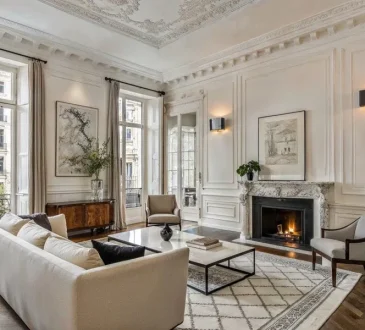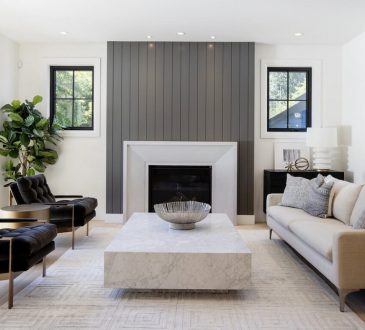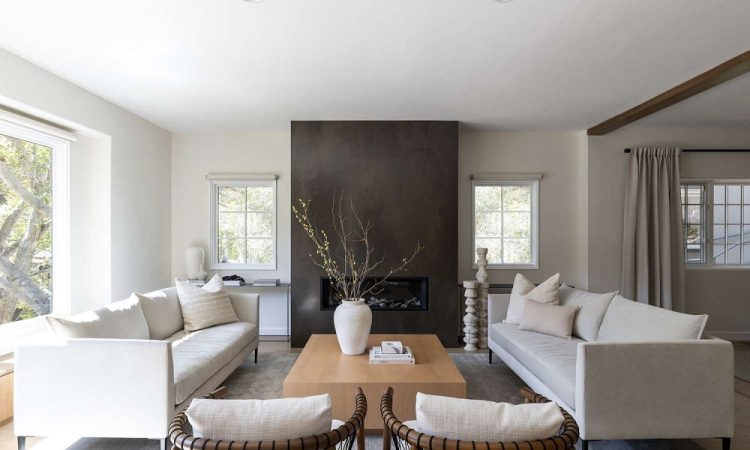
Minimalist interior design is often misunderstood as stark, cold, or sterile. In reality, true minimalism is an intentional design philosophy centered on living with purpose, clarity, and ease. Rooted in the principle that form follows function, minimalism strips away excess visual noise to highlight essential architectural elements, intentional furnishings, and open spatial flow.
Creating a minimalist home goes far beyond simply discarding personal belongings. It requires a thoughtful approach to spatial organization, material selection, lighting, and functional storage. When executed correctly, a minimalist interior yields a calm, clutter-free sanctuary that reduces stress, simplifies daily routines, and showcases high-quality craftsmanship.
Core Principles of Minimalist Design
To build a minimalist home, you must first understand the fundamental concepts that govern this popular interior design style.
Essentialism Over Decoration
Minimalism prioritizes intention over ornament. Every object placed in a room should serve a distinct functional purpose or bring genuine aesthetic value.
-
Intentionality: Ask yourself whether an item improves your daily routine or enhances the room atmosphere before giving it a permanent space.
-
Negative Space: Allow open floor areas, bare wall sections, and empty counter space to exist naturally. Negative space gives the eye a place to rest and makes rooms feel expansive.
-
Quality Over Quantity: Invest in fewer, higher-quality items crafted from durable materials rather than filling a space with inexpensive mass-produced decor.
Form, Function, and Clean Lines
Minimalist architecture and furniture focus on strong geometric silhouettes and unadorned surfaces.
-
Sleek Profiles: Choose furniture with low profiles, tapered legs, or floating designs that allow light to pass under and around them.
-
Architectural Lines: Emphasize vertical and horizontal architectural features like large windows, straight trim lines, and smooth wall surfaces.
Step-by-Step Strategies for a Clutter-Free Space
Transitioning to a minimalist interior requires a systematic approach to decluttering and organizing every zone of your home.
Systematic Decluttering and Editing
Decluttering is an ongoing editing process rather than a one-time event.
-
Category-Based Sorting: Edit your belongings by category rather than room by room. Group all books, clothing, or kitchen gadgets together to see the true volume of what you own.
-
The One-In, One-Out Rule: Maintain spatial equilibrium by discarding or donating an older item whenever you bring a new object into your home.
-
Clear Flat Surfaces: Keep kitchen countertops, dining tables, dressers, and nightstands free of daily clutter. Limit visible items to one or two functional pieces, such as a single lamp or a vase with fresh greenery.
Concealed and Smart Storage Solutions
Minimalism relies on clever storage mechanisms to keep necessary daily items hidden from view.
-
Built-in Cabinetry: Floor-to-ceiling built-in cabinets featuring flat-panel, push-latch doors blend seamlessly into walls, offering massive storage without adding visual weight.
-
Multi-Functional Furniture: Select ottomans with hidden storage compartments, bed frames with integrated under-bed drawers, or lift-top coffee tables.
-
Dedicated Drop Zones: Establish hidden entry storage systems with enclosed shoe racks, concealed coat hooks, and covered trays for keys and mail.
Mastering the Minimalist Color Palette
Color dramatically influences how spatial dimensions and clutter are perceived. A controlled color scheme unifies separate areas and makes small rooms feel open and bright.
Neutral Foundations
Neutral colors reflect light naturally and create a soft, cohesive backdrop across living zones.
-
Monochromatic Schemes: Utilize varying shades, tints, and tones of a single neutral color family, such as soft whites, warm ivories, light grays, or deep taupes.
-
Light Wall Finishes: Paint walls, baseboards, and ceilings in the same light neutral shade to eliminate harsh visual break lines, making ceilings appear taller and spaces larger.
Intentional Contrast and Accents
A minimalist palette does not have to be completely devoid of color. The key is applying bold colors with restraint.
-
High-Contrast Anchors: Use deep charcoal, matte black, or rich espresso in small doses, such as window frames, light fixtures, or side table legs, to ground light rooms.
-
Organic Accent Tones: Introduce subtle color through natural elements like muted sage greens, warm terracotta ceramics, or soft ochre textiles.
Texture and Materials: Bringing Warmth to Minimalist Interiors
Without excess decor, material texture becomes the hero of minimalist design. Layering varied textures prevents neutral, uncluttered spaces from feeling flat or sterile.
Natural Wood and Stone
Natural materials bring organic warmth, unique tactile grain patterns, and timeless beauty to clean-lined rooms.
-
Light to Medium Woods: Incorporate light oak, natural ash, birch, or maple for flooring, shelving, and furniture frames.
-
Honed Natural Stone: Select matte or honed marble, granite, or slate for kitchen islands and bathroom vanities rather than high-gloss polished surfaces.
Tactile Fabrics and Weaves
Fabrics add essential comfort and sound absorption to open, uncluttered floor plans.
-
Natural Linens and Cottons: Use unbleached linen for drapery, throw pillows, and duvet covers to create a relaxed, airy drape.
-
Textured Rugs: Place high-pile wool rugs, flat-weave jute rugs, or subtle bouclé carpets on hard floors to define seating zones without adding loud visual patterns.
Lighting as an Architectural Feature
Lighting plays a critical role in minimalist spaces, highlighting clean architectural lines, enhancing texture, and altering mood throughout the day.
Maximizing Natural Light
Unobstructed natural light makes rooms feel clean, energetic, and spacious.
-
Minimalist Window Treatments: Use simple recessed roller shades, sheer linen panels, or leave windows completely bare if privacy permits.
-
Mirror Placement: Position large, simple-framed floor or wall mirrors opposite windows to reflect sunlight deep into dark corners.
Layered Artificial Illumination
Avoid heavy, ornate chandeliers in favor of sleek, integrated lighting solutions.
-
Architectural Recessed Lighting: Use dimmable, low-glare recessed ceiling lights to provide clean ambient illumination.
-
Concealed LED Strip Lighting: Install hidden LED strips beneath floating bathroom vanities, under kitchen upper cabinets, or inside wall coves for a warm, diffuse glow.
-
Sculptural Fixtures: Choose floor and table lamps that double as functional works of art, featuring simple geometric forms in brushed metal, ceramic, or glass.
Room-by-Room Minimalist Application Guide
Applying minimalist guidelines across different areas of the house requires tailoring strategies to each room’s functional demands.
| Room | Key Minimalist Focus | Strategic Storage Choice | Aesthetic Anchor |
| Entryway | Clear foot traffic path, no shoe pileups | Closed shoe cabinets, hidden wall pegs | Simple mirror, wall sconce |
| Living Room | Uncluttered seating, clear coffee table | Low-profile media console with doors | Low-slung sofa, textured wool rug |
| Kitchen | Bare countertops, hidden appliances | Appliance garages, deep pull-out drawers | Monolithic stone island, concealed hardware |
| Bedroom | Restful environment, calm bed styling | Platform bed with hidden drawers, built-in closet | Crisp linen bedding, tall padded headboard |
| Bathroom | Clean surfaces, spa-like atmosphere | Medicine cabinets with mirrored doors | Floating vanity, frameless glass shower |
| Home Office | Paperless desk, managed electrical cords | Integrated desk drawers, cable boxes | Streamlined ergonomic chair, natural wood desk |
Frequently Asked Questions
How can I make a minimalist home feel warm and cozy rather than cold?
Warmth in minimalist design comes from layering varied natural textures and warm lighting rather than adding physical clutter. Use warm-toned wood elements, textured wool rugs, soft linen drapery, and bouclé or velvet cushions. Additionally, choose warm white light bulbs rated around 2700K to 3000K and incorporate dimmers to create an inviting evening ambiance.
What is the best way to handle personal items like books and family photos in a minimalist space?
Minimalism is not about eliminating personal memories, but displaying them with curation and intent. Instead of scattering small picture frames across every surface, create a single gallery wall with matching frames and wide white mats, or display a few favorite photos on a sleek ledge. For books, select your absolute favorites to display neatly on built-in shelves, using closed storage for the rest.
Is minimalist interior design practical for families with young children?
Yes, minimalism can be exceptionally practical for families because fewer items mean less time spent cleaning, organizing, and picking up toys. The key is installing accessible, closed storage solutions like low wooden cabinets, deep drawers, or covered canvas baskets where toys can be put away out of sight quickly at the end of the day.
How do I maintain a minimalist home over time without clutter creeping back in?
Maintaining minimalism requires establishing mindful daily habits. Practice the one-in, one-out rule when shopping, process mail and paper clutter immediately upon entering the house, and conduct seasonal edits of clothing, pantry items, and personal belongings. Keeping flat surfaces clear as a daily rule also prevents temporary clutter from becoming permanent.
What furniture styles pair best with a minimalist interior aesthetic?
Mid-century modern, Japandi, Scandinavian, and contemporary transitional furniture styles align naturally with minimalism. Look for pieces featuring clean lines, tapered or floating legs, neutral upholstery, high-quality wood grains, and an absence of ornate decorative carving or heavy hardware.
How do I transition my current home to a minimalist style on a tight budget?
Transitioning to minimalism costs very little because the primary action is removing items rather than buying new ones. Start by thoroughly decluttering every room, clearing off flat surfaces, and removing excess wall art. Repaint walls in a light neutral shade, rearrange existing furniture to maximize open space, and sell or donate unwanted items to fund a few multi-functional storage pieces.
Can I use wallpaper in a minimalist home design?
Yes, provided the wallpaper features a subtle, low-contrast pattern or a rich tactile texture rather than a loud, high-contrast print. Textured wall coverings like grasscloth, subtle linen-look vinyl, or tone-on-tone geometric prints add warmth and depth to accent walls without disrupting the calm visual flow of a minimalist space.