Hardwood floors are known for their natural beauty, durability, and timeless appeal. Despite these key strengths, these floors also develop certain issues that you should be aware of. Here are 6 common hardwood flooring problems you must know and the ways to fix them properly.
1. Scratches & Dents
The finishing on hardwood floors plays an important role in protecting them from different sorts of wear and tear. Over time, this finish wears off and your floor can start developing scratches, dents, and dings. Common causes of wear and tear include frequent foot traffic and moving heavy objects such as furniture.
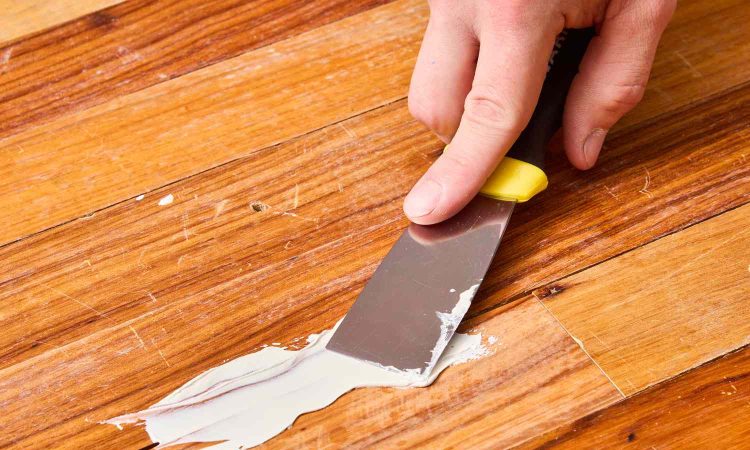
Scatches can be fixed by lightly sanding the affected area and then applying a finish. A wood filler can also be used to fill in the scratches or grooves before refinishing the surface. It is recommended to use protective pads under heavy objects and not use shoes indoors to prevent these floor problems.
2. Crowning & Cupping
Cupping and crowning are usually associated with indoor moisture changes. Cupping is caused by the shrinking of boards due to excess moisture loss, while crowning involves the middle of the board rising up.
- Cupping: In cupping, the boards have their edges raised higher than the center. While floors can, sometimes, flatten on their own as moisture levels return to normal, sanding can help fix the problem.
- Crowning: Crowning usually occurs when water is allowed to sit atop the boards. This problem can also arise when a cupped floor is sanded before the moisture problem is addressed.
It is recommended to maintain proper humidity levels in your home to prevent these hardwood floor problems. This can be done by using humidifiers and dehumidifiers.
3. Fading
Hardwood floors, when exposed to sunlight for long, can start fading. This is a natural process and you can avoid or delay it by applying the right finish to protect against UV rays. Fading can also change your hardwood floor’s color over time. An already faded floor can be fixed with a wood dye or stain. It is further recommended to use shades, blinds, or drapes to prevent direct sunlight from falling on your floors.
4. Wide Gaps
While a little gap between boards is acceptable, wide gaps can be indicative of improper installation. Gaps form due to seasonal changes in humidity. Gaps that appear larger in winter usually close up in the summer. However, if the gaps stay all year round, use the following methods to fill them:
- If your floor has thin gaps, apply a wood filler between the boards. It is recommended not to overfill to allow some space for expansion when humidity levels change.
- If your floor has larger gaps, it is recommended to seek professional help.
5. Loose Boards
Common causes of loose boards include poor installation and changes in humidity levels. You can consider filling in the gaps using a wood filler or sealant or replace the affected boards. Sometimes, this problem may require re-securing the boards with nails.
6. Stains
Hardwood floors are resistant to stains, but unattended spills can leave their mark. Pet stains are capable of soaking through the finish and reaching the wood fiber. Stains that penetrate the finish cannot be removed using a wood-floor cleaner. Deep stains require sanding, wood bleach, or replacing the affected boards.
Some of the other problems include peeling finish, polyurethane droplets, buckling and warping, and scuff marks. All these problems can affect your floor’s durability and appearance if not treated in time. It is recommended to follow a preventative maintenance routine to ensure your hardwood floor stays in good condition at all times.