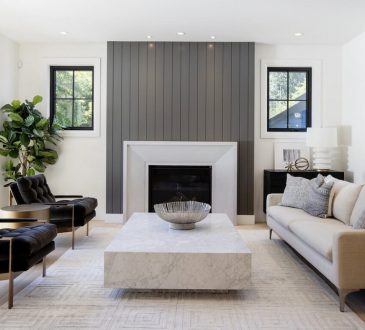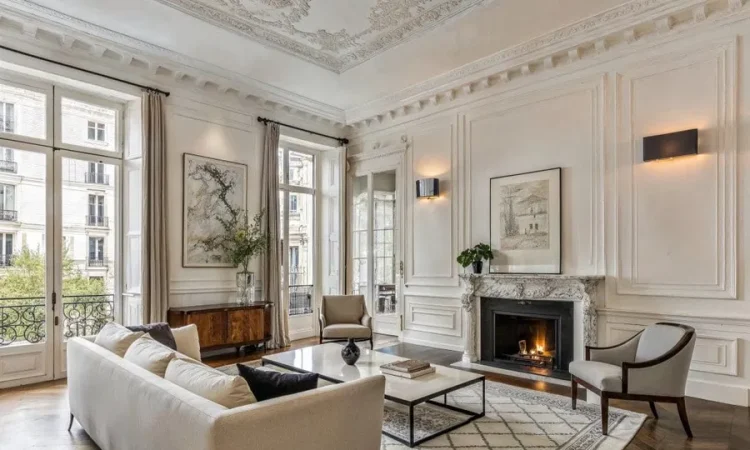
Mouldings are one of the most overlooked elements in interior design, yet they do more to define a room’s character than most people realise. In Thai homes, from modern Bangkok condominiums to traditional teak houses in Chiang Mai the right moulding choices can tie a space together with a sense of refinement and intention. One popular option gaining traction across Thailand is polyurethane ceiling moulding (known as บัวฝ้าโพลียูรีเทน in Thai), valued for its lightweight properties, moisture resistance, and ease of installation in a tropical climate.
Thailand’s humidity and heat make material selection especially important. Unlike plaster or timber, polyurethane ceiling mouldings resist warping, cracking, and moisture damage, all common issues in a country where temperatures regularly exceed 35°C and humidity stays high for much of the year. This makes them a practical and attractive solution for homeowners who want decorative detail without the ongoing maintenance that comes with traditional materials.
Beyond material choice, the profile and scale of your mouldings matter just as much. A polyurethane ceiling moulding with a wide, ornate profile suits larger, formal rooms such as living areas or dining spaces. In smaller rooms, a simpler, narrower cove or step profile keeps things feeling balanced rather than heavy.
Ceiling Mouldings: Setting the Tone from the Top
Cornices and coves draw the eye upward and create a visual frame for the entire room. In contemporary Thai interiors, clean geometric profiles are popular, they complement the minimal aesthetic favoured in modern condos without looking cold or industrial. For homes with a more traditional or colonial-influenced design, deeper and more detailed profiles add a layer of architectural interest.
Ceiling roses are another option worth considering for central light fittings. They work particularly well in dining rooms and entrance halls, where a single pendant light becomes a focal point.
Wall Mouldings: Adding Depth and Structure
Wall panelling and dado rails are experiencing a resurgence in Thai interior design, particularly in upscale residential projects and boutique hotels. Picture rails, panel mouldings, and chair rails all add structure to flat walls, creating visual zones that make a room feel more considered and finished.
In Thai homes, wall mouldings are often painted in the same shade as the wall itself for a tonal, layered look. Alternatively, a contrasting white or off-white against a deeper wall colour creates a bold, classic contrast that photographs well and adds instant character.
Floor Mouldings: The Finishing Detail Underfoot
Skirting boards and floor trims are practical as well as decorative. They cover the gap between flooring and wall — important in Thai homes where floor materials like ceramic tile, marble, and engineered wood are all widely used. A well-chosen skirting board ties the floor and wall together cleanly, hiding any uneven edges left during installation.
Taller skirting boards, typically 10–15 cm, suit rooms with higher ceilings, while slimmer profiles work better in compact spaces.
Bringing It All Together
Mouldings work best when they feel consistent throughout a home. Choose profiles from the same design family — whether classic, transitional, or contemporary, and apply them with a consistent logic across rooms. In Thailand’s tropical setting, prioritising durable, low-maintenance materials means your interiors will look as good in five years as they do on the day they’re installed.