Interior design trends come and go with incredible speed. What dominates home decor magazines and social media feeds today can easily feel dated and uninspired in just a few short years. Constantly updating a home to keep pace with modern crazes is not only expensive and time-consuming, but it can also lead to a disjointed living space that lacks personal identity.
Creating a timeless interior design style offers a sustainable, elegant alternative. Timeless design transcends fast-moving micro-trends by relying on classical proportions, enduring natural materials, refined color palettes, and functional layouts. A timeless home feels relevant, sophisticated, and comfortable regardless of the decade. By grounding your home decor choices in enduring design principles, you can cultivate an environment that ages gracefully while adapting effortlessly to your evolving personal tastes.
Core Principles of Timeless Interior Design
Achieving a timeless aesthetic requires a shift in mindset. Instead of asking what is currently popular, consider what has consistently retained its beauty and utility across generations.
Prioritize Functionality and Spatial Flow
At the heart of every enduring space lies exceptional spatial planning and functionality. A room that operates smoothly and meets the physical needs of its occupants never goes out of style.
-
Uncluttered Layouts: Design room arrangements that encourage clear walkways and comfortable conversation areas rather than packing spaces with excess furniture.
-
Proportion and Scale: Choose furniture pieces that suit the physical dimensions of the room. Oversized furniture makes spaces feel cramped, while undersized pieces make rooms look stark and unfinished.
-
Purposeful Placement: Position lighting, seating, and storage where they naturally support daily routines.
Embrace Quality Architecture and Structural Lines
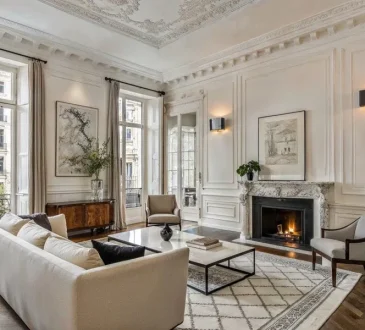
Timeless design relies heavily on strong architectural bone structure. Clean lines, balanced geometry, and classic interior trim provide a permanent framework that elevates simple furnishings.
-
Architectural Details: Crown molding, picture frame molding, wainscoting, and deep baseboards add character and spatial definition to plain drywall.
-
Symmetry and Balance: Symmetrical arrangements naturally communicate order, tranquility, and harmony to the human eye. Pair matching nightstands, balance wall sconces, or center art above fireplaces.
Selecting an Enduring Color Palette
Color establishes the emotional tone of a home. Trend-heavy color schemes often rely on high-saturation accent colors that quickly fall out of favor. Timeless spaces rely on adaptable, understated palettes that act as a versatile canvas.
The Power of Neutral Foundations
Neutral colors provide the ultimate foundation for a lasting interior style. Neutrals do not mean boring or sterile; rather, they offer depth, warmth, and flexibility.
-
Classic Whites and Creams: Soft white, ivory, and alabaster reflect natural light beautiful and create an airy, expansive feel across living zones.
-
Warm Grays and Taupes: Greige, warm slate, and sandy taupe bring subtle contrast to walls and trim without dominating the visual environment.
-
Rich Anchors: Darker neutral shades like navy blue, deep charcoal, and rich espresso serve as elegant anchoring colors for cabinetry, trim, or upholstered statement pieces.
Introducing Color Through Accents
You do not have to avoid color entirely to achieve a timeless aesthetic. The key is introducing color through flexible, easily replaceable elements rather than permanent structural fixtures.
-
Natural Tones: Look to nature for inspiration. Muted sage green, dusty sky blue, warm terracotta, and deep ochre carry enduring appeal.
-
Low-Risk Updates: Incorporate vibrant color through throw pillows, wool blankets, table linens, fresh floral arrangements, and curated artwork rather than brightly colored permanent countertops or tiled floors.
Investing in Natural Materials and Craftsmanship
Synthetic, mass-produced materials often show wear quickly and can date an interior to a specific manufacturing era. In contrast, authentic natural materials age beautifully, developing a rich patina over time that adds character to your home.
High-Grade Wood Species
Wood brings essential organic warmth and structural integrity to interior spaces.
-
Hardwood Flooring: Solid or engineered oak, walnut, maple, and cherry floors offer classic beauty that lasts for generations.
-
Medium-Tones: Avoid extreme wood stains like reddish mahogany or ultra-bleached gray. Stick to medium, natural wood tones that showcase authentic grain patterns.
Natural Stone and Ceramics
Stone has been used in architecture for thousands of years, making it an ideal choice for kitchens, bathrooms, and fireplace surrounds.
-
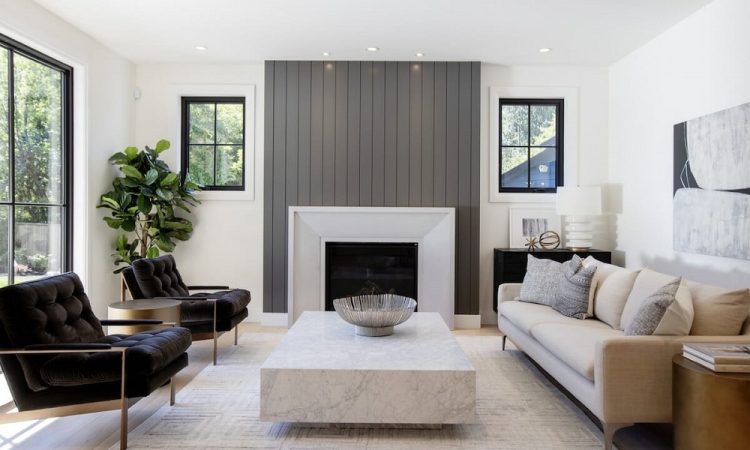
Marble: White Carrara or Calacatta marble provides iconic, elegant patterning for countertops, vanity tops, and tile backsplashes.
-
Granite and Quartzite: Dense, natural quartzite slabs offer extreme durability with understated, organic veining.
-
Unglazed Ceramics: Terracotta and handmade zellige tiles add subtle texture and artisanal craftsmanship to utility spaces.
Authentic Textiles
High-quality textiles bring tactile richness and comfort to furniture, window treatments, and flooring.
-
Linen and Cotton: Breathable, natural plant fibers provide soft, relaxed tailoring for slipcovers, drapes, and bedding.
-
Wool: Wool area rugs offer superior durability, natural stain resistance, and sound absorption compared to synthetic polyester rugs.
-
Leather: Top-grain leather seating wears exceptionally well, developing a soft, weathered patina over years of use.
Furniture Selection: Classic Silhouettes Over Fads
Furniture represents a major financial commitment in any home design project. Selecting classic, clean silhouettes ensures that your core investments remain stylish for decades.
Choosing Iconic Shapes
Avoid extreme furniture shapes that prioritize novelty over comfort or classic proportions.
-
Seating: Look for traditional or transitional sofa styles, such as Chesterfield, English roll arm, or streamlined Lawson designs featuring clean track arms.
-
Tables: Pedestal dining tables, Parsons tables, and classic wooden Parsons desks maintain relevancy across changing design movements.
-
Built-in Storage: Simple shaker-style cabinet doors and traditional raised paneling offer clean, versatile storage solutions that work equally well in historic and modern homes.
Mixing Antiques with Contemporary Pieces
A room furnished entirely from a single showroom floor or one specific historical era can feel like a movie set rather than a lived-in home. Combining vintage or antique furniture with clean modern pieces creates layered depth and character.
-
Heritage Items: An antique wooden chest, a vintage brass mirror, or a heirloom armchair adds history and narrative to a modern space.
-
Harmonious Contrast: Pair a sleek, modern sofa with a rustic, reclaimed wood coffee table, or set traditional upholstered dining chairs around a modern minimalist table.
Lighting and Hardware: The Finishing Touches
Lighting fixtures and hardware act as the jewelry of your home. Selecting timeless styles and finishes elevates daily interactions and unifies separate rooms.
Layered Lighting Design
Relying solely on overhead recessed lights creates harsh shadows and a cold atmosphere. A timeless lighting scheme uses multiple light sources placed at different heights.
-
Architectural Lighting: Sconces, picture lights, and discreet cove lighting highlight artwork and structural features.
-
Task and Ambient Lighting: Pair classic table lamps featuring ceramic or brass bases with linen drum shades alongside adjustable floor lamps for reading zones.
Choosing Enduring Metal Finishes
Mismatched or overly trendy metal finishes can disrupt the visual harmony of a house.
-
Unlacquered Brass: Ages naturally over time, developing a soft, warm patina that adds historical charm.
-
Polished Nickel: Offers a warmer, richer tone than cold chrome while maintaining a crisp, clean appearance.
-
Oil-Rubbed Bronze: Provides deep, dark contrast that grounds light cabinetry and doors.
Maintaining an Uncluttered, Curated Space
The hallmark of a timeless interior is restraint. Over-decorating leads to visual chaos, whereas an intentional approach allows every selected piece to shine.
Edit Routinely
Periodically evaluate your decorative objects, furniture, and wall displays. Remove items that no longer serve a functional purpose or bring genuine joy.
Display Personal Art and Collections
Fill your home with items that carry personal meaning rather than generic, mass-manufactured wall decor.
-
Custom Framing: Frame family photographs, travel sketches, or original art prints in matching, simple wood or metal frames with wide white mats.
-
Curated Books: Use hardback books on coffee tables and built-in shelving to introduce texture, color, and personal interest.
Frequently Asked Questions
How can I make my current home look timeless without replacing all my furniture?
Start by painting your walls in a warm, neutral color and removing overly trendy accent pieces, loud patterns, or synthetic throw rugs. Swap out dated light fixtures and cabinet hardware for classic styles in polished nickel, muted black, or brushed brass. Focus on editing out visual clutter and adding natural elements like indoor plants, linen curtains, and wooden trays.
Is mid-century modern design considered a timeless interior style?
Certain mid-century modern elements, such as clean-lined teak sideboards, iconic lounge chairs, and simple pedestal tables, have achieved timeless status due to their exceptional craftsmanship and functional geometry. However, decorating an entire room exclusively in mid-century items can make it feel dated. Mixing key mid-century pieces with classical or contemporary furnishings ensures the space feels balanced and enduring.
How do I prevent a neutral, timeless room from feeling cold or boring?
A neutral room stays visually engaging through heavy layering of different textures and materials rather than bright colors. Combine smooth marble, rough woven jute, soft velvet, warm wood, and brushed metals within the same monochromatic or tone-on-tone color palette. Introducing varied texture prevents flat, sterile aesthetics.
What window treatments hold up best over changing design trends?
Simple, floor-to-ceiling drapery panels made from natural linen or cotton offer unmatched timeless elegance. Mount curtain rods high near the ceiling line and choose simple ring tops or classic pinch pleat tailoring. Tailored wooden woven shades and high-quality white interior plantation shutters also offer classic, long-lasting light control.
Can I mix different metal finishes in a timeless interior?
Yes, mixing metals adds depth and bespoke character to a room when done intentionally. Select one primary metal finish to dominate roughly 70 percent of the space, such as polished nickel for faucets and cabinet pulls, then introduce a secondary accent metal like unlacquered brass or matte black for light fixtures, mirror frames, or side table legs.
Why is mass-manufactured trendy furniture less suitable for timeless design?
Mass-manufactured trend pieces are often designed around fast-moving aesthetics using lower-grade materials like particle board, thin veneers, and synthetic upholstery fabrics. These pieces tend to show wear quickly, break down under daily use, and fall out of visual favor within a few seasons, leading to premature replacement cycles.
How does proper lighting contribute to a timeless home atmosphere?
Proper lighting creates warmth, highlights architectural details, and adjusts the mood of a space across the day. By using dimmable fixtures, warm color temperature bulbs, and layered light sources such as lamps, sconces, and task lighting, you create an inviting, comfortable environment that feels balanced and classic regardless of changing exterior design trends.