Introduction: The Silent Language of Space
Interior design is more than arranging furniture and selecting color schemes. It is the subtle yet powerful art of shaping our living spaces to reflect who we are and how we want to feel. It weaves together aesthetics, functionality, psychology, and storytelling, creating environments that nurture both comfort and inspiration. Whether it’s a minimalist studio apartment or a grand heritage mansion, interior design has the unique ability to elevate space from merely inhabitable to truly expressive.
This article explores the essence of interior design — its core principles, the influence of style, the impact on well-being, and the evolving trends that continue to redefine how we live and interact with our interiors.
The Foundations of Interior Design: Function Meets Aesthetic
At the heart of exceptional interior design lies a delicate balance between beauty and purpose. Every space must serve a function while appealing to the senses. Good design ensures that no element is accidental; each choice, from light fixtures to layout, is intentional and integrated.
Core Principles of Interior Design:
-
Balance: Achieved through symmetrical, asymmetrical, or radial arrangements that create a sense of harmony.
-
Proportion and Scale: Furniture and décor must be appropriately sized relative to the space and each other.
-
Rhythm and Repetition: Patterns, shapes, or colors are subtly repeated to create flow and visual continuity.
-
Contrast: Light vs. dark, rough vs. smooth — contrast adds drama and depth.
-
Unity: All design elements should work together cohesively to express a unified vision.
By mastering these principles, designers can transform even the most modest space into a refined and functional haven.
Interior Design Styles: Expressing Identity Through Space
Interior design is highly personal, and styles vary widely depending on taste, culture, and intention. Understanding different design styles helps homeowners articulate their vision and designers tailor spaces that feel authentic.
Popular Interior Design Styles:
-
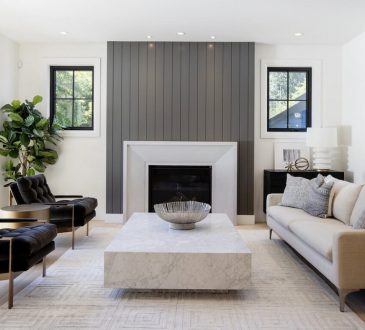
Modern: Clean lines, neutral palettes, minimal ornamentation. Functionality is prioritized, often with open floor plans.
-
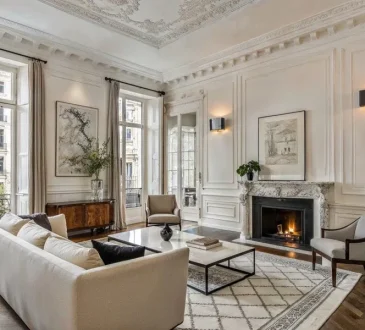
Traditional: Rich wood tones, elegant fabrics, and classic architectural details. Often draws from 18th and 19th-century European design.
-
Contemporary: Ever-evolving, it reflects current trends and blends different aesthetics with bold accents and innovative materials.
-
Bohemian: Eclectic and colorful, layered with textures, patterns, and global influences.
-
Scandinavian: Simple, airy, and light-filled, emphasizing functionality and natural materials.
-
Industrial: Inspired by warehouses, featuring exposed brick, metal, and utilitarian décor.
-
Transitional: A sophisticated mix of traditional and modern elements, offering balance and timeless appeal.
The chosen style becomes a visual narrative — a reflection of personality, lifestyle, and values.
The Psychology of Interior Design: How Spaces Affect Our Mood
Our environment directly impacts how we feel, think, and behave. Interior design harnesses this relationship, using color, light, space, and texture to enhance emotional well-being.
Psychological Considerations in Design:
-
Color Theory:
-
Blue promotes calmness and concentration.
-
Yellow sparks energy and optimism.
-
Green soothes and restores balance.
-
Neutrals provide a serene, timeless backdrop.
-
-
Lighting:
-
Natural light is known to improve mood and productivity.
-
Layered lighting (ambient, task, accent) ensures flexibility and atmosphere.
-
-
Space and Layout:
-
Open layouts encourage social connection and freedom of movement.
-
Defined zones offer structure and functionality in multipurpose spaces.
-
-
Texture and Materials:
-
Soft fabrics invite relaxation.
-
Raw materials like wood and stone ground the space in nature.
-
When thoughtfully applied, these design choices contribute to a healthier, more fulfilling way of life.
The Functional Side: Designing for Real Life
While beauty draws attention, functionality sustains satisfaction. A well-designed interior anticipates the needs of its inhabitants and adapts to their routines.
Functional Design Strategies:
-
Efficient Layouts: Thoughtful space planning ensures optimal flow and accessibility.
-
Storage Solutions: Built-ins, hidden compartments, and multi-functional furniture reduce clutter without sacrificing style.
-
Ergonomics: Comfortable seating, ideal desk heights, and proper lighting are key in work-from-home setups.
-
Zoning: Especially important in open-concept homes, zoning defines separate activities (cooking, lounging, working) while maintaining unity.
Great design doesn’t just look good — it makes life easier.
Sustainability in Interior Design: Eco-Conscious Living
As sustainability becomes a global imperative, interior designers are integrating eco-friendly choices that align aesthetics with ethics.
Sustainable Design Practices:
-
Reclaimed and Recycled Materials: Using salvaged wood, recycled metal, and vintage furnishings to reduce waste.
-
Low-VOC Paints and Finishes: Improve indoor air quality and reduce harmful emissions.
-
Energy-Efficient Lighting: LED lighting and daylight optimization minimize energy usage.
-
Locally Sourced Decor: Supports local artisans and reduces the carbon footprint of transportation.
-
Biophilic Design: Incorporating natural elements — plants, water features, and organic materials — to connect indoors with nature.
These choices not only protect the planet but also promote a healthier indoor environment.
Trends and the Future of Interior Design
Interior design continues to evolve, reflecting changes in technology, culture, and lifestyle. Today’s homes are more than just places to live — they are places to work, relax, entertain, and recharge.
Current and Emerging Trends:
-
Home Offices: The remote work era has spurred demand for ergonomic and aesthetic workspaces.
-
Multifunctional Furniture: Adaptable pieces that serve dual purposes in smaller urban dwellings.
-
Smart Home Integration: Lighting, climate, and security systems that respond to voice and app commands.
-
Textural Play: From boucle to brushed metals, mixing textures adds richness and dimension.
-
Minimalism with Warmth: Clean design paired with soft tones and cozy materials for inviting minimalism.
Design is shifting from mere decoration to holistic curation — blending lifestyle, wellness, and beauty.
Conclusion: Curating a Life Through Design
Interior design is not a luxury — it is a form of self-expression and an essential aspect of our well-being. It tells the story of who we are and how we live, shaping the backdrop to our daily experiences. A well-designed interior is not just beautiful — it is meaningful, functional, and deeply personal.
Whether through a complete home redesign or the thoughtful addition of a single piece of art, interior design allows us to take control of our environments and infuse them with intention. In doing so, we create more than rooms — we create sanctuaries that support and inspire the best version of ourselves.