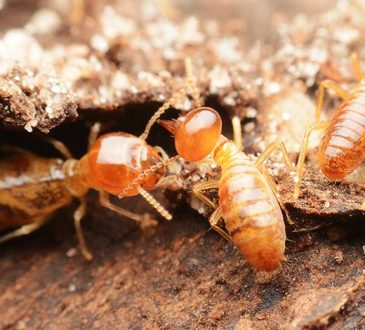
Idaho homeowners definitely know the value of a crackling fire during the icy winter months, especially in Eagle. Though that neat little woodpile behind your back door could be sending out an all-access pass to uninvited guests. Storing firewood incorrectly transforms something that should be an occasional need into a pest incubator that can easily transfer from your logs to your home.
Proper firewood storage affects pest activity on your property, and so many of our Eagle residents are unknowingly doing it wrong and inviting rodents, insects, and other critters into their homes for the winter. If you are looking to keep your woodpile pest-free, it is best to work with a top exterminator in Eagle to identify the issue and prevent it from spreading into your home.
Does Stacking Firewood Near Your Eagle Home Increase Pest Risk?
Absolutely! If you pile firewood against your home foundation or within five feet of any of the external walls, then you are literally creating a pest freeway to your doorway. Eagle neighbors the Boise River and other natural areas, which means the local wildlife and bugs are already looking for warm places as temperatures dip. Studies indicate that homes that store firewood within 20 feet of their structure see 60% more activity from rodents than homes more than 20 feet away from the home.
Furthermore, the Idaho Department of Health states that pest home damage can be elevated in areas with improper firewood storage. Your woodpile provides everything pests want: protection from Eagle’s winter winds, moisture from the snow, and a temperature-controlled bed, courtesy of you. Simply by having your stack physically located away from your house, you can significantly minimize the risk you are at.
5 Best Practices for Pest-Free Firewood Storage in Eagle
-
Keep Firewood at Least 20 Feet From Your Home
Distance is the first line of defense. Stack your woodpile out of your major home, garage, and from any poles. That provides a zone that is not easy for pests to move between the wood and the structure.
-
Elevate Your Stack Off the Ground
Keep logs at least two inches above the soil on a rack or pallets. This stops moisture from being absorbed and also removes entry points for ground-dwelling pests, which are a problem with Eagle’s clay-heavy dirt.
-
Store Wood in a Dry, Sunny Location
Look for an area where there is sufficient sunlight and air circulation. Pests like dark, damp places; therefore, a well-ventilated, sunny area will not only naturally repel infestations but will assist your wood season correctly as well.
-
Cover Only the Top of Your Woodpile
If using a tarp, cover only the top 1/3 of your stack. Covering a whole pile of locks in moisture creates the steamy atmosphere that insects such as beetles and termites thrive on. Let the sides breathe.
-
Bring In Only What You’ll Burn Immediately
Do not stockpile firewood indoors. Only bring in enough for the next day or two at most, and check each log before it enters your home. This ensures that sleepy pests do not wake up in your warm home and make camp.
Should You Spray Your Firewood for Pests?
For wood you plan on burning indoors, spraying pesticides on firewood is typically unhelpful. When these chemicals are heated, they may give off toxic vapors that endanger the health of your family and pets. Do not worry, and instead use proper storage methods and natural prevention methods.
Professional help is a better solution than a DIY treatment with chemicals, especially if you are already dealing with a current infestation in your woodpile or have seen bugs that have likely entered your Eagle home. Hemi Pest Control partners with Eagle homeowners to evaluate pest activity associated with firewood storage and develop customized solutions that target the underlying cause. They know what pest pressures exist in the Treasure Valley area and can recommend strategies that do not involve contaminating your firewood or putting your indoor air quality at risk when you go to burn those logs.