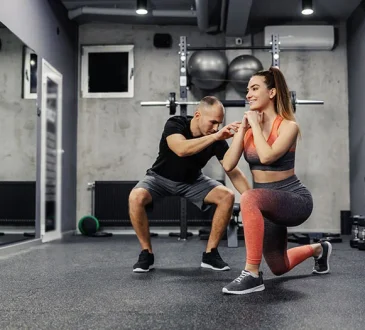
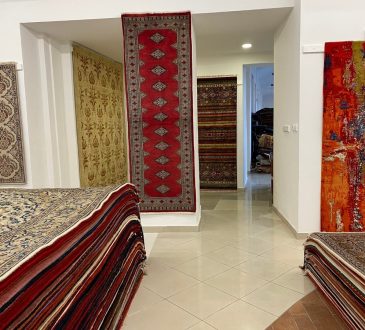
Wellness does not stop at the studio door. For many people in Singapore, regular exposure to calm, intentional environments inside yoga places in Singapore gradually changes how they view their own living spaces. Over time, this influence extends into homes, shaping how rooms are arranged, how daily routines unfold, and how personal spaces support mental and physical wellbeing.
Rather than copying yoga studios directly, individuals begin adapting principles they experience during practice, such as simplicity, functionality, and sensory balance. These changes often result in homes that feel calmer, more intentional, and better suited to rest and recovery.
Why Home Environment Matters for Wellness
Singapore homes often prioritise efficiency and space optimisation. While practical, this can sometimes lead to cluttered or overstimulating environments that affect mood, focus, and sleep.
Yoga encourages awareness of surroundings and how they affect the body and mind. Practitioners become more sensitive to:
-
Visual clutter that increases mental noise
-
Poor airflow or lighting that affects comfort
-
Noise levels that disrupt relaxation
-
Furniture layouts that restrict movement
As awareness grows, people naturally adjust their homes to support a calmer lifestyle.
Design Principles Inspired by Yoga Practice
Yoga spaces are intentionally designed to feel grounded and distraction-free. While homes do not need to replicate studios, many people adopt similar principles in subtle ways.
Common design influences include:
-
Open floor areas that allow free movement
-
Neutral or soft colour palettes
-
Reduced visual clutter
-
Intentional placement of furniture
These changes support a sense of openness and ease within limited living spaces.
Creating a Personal Movement Space at Home
After experiencing dedicated practice environments, many individuals choose to create a small movement-friendly area at home. This does not require a separate room or large investment.
Simple adaptations include:
-
Clearing a corner for stretching or breathwork
-
Using foldable mats to save space
-
Keeping the area free from storage clutter
-
Choosing flooring or rugs that feel comfortable
This space becomes a functional extension of the studio experience, encouraging consistency in practice.
Lighting Choices and Their Impact on Mood
Lighting plays a significant role in wellness. Yoga studios often use soft, balanced lighting to support relaxation and focus.
At home, practitioners may become more conscious of:
-
Reducing harsh overhead lighting
-
Using warm light tones in the evening
-
Allowing natural light during the day
-
Creating adjustable lighting options
These changes support better sleep patterns and overall comfort, especially in Singapore’s dense urban settings.
Airflow, Ventilation, and Sensory Comfort
Breath awareness in yoga often heightens sensitivity to air quality and temperature. This awareness carries over into home environments.
Many people influenced by yoga prioritise:
-
Improved ventilation through window placement
-
Use of fans instead of constant air conditioning
-
Maintaining clean and breathable spaces
-
Reducing strong artificial scents
Better airflow supports relaxation and enhances the sense of comfort at home.
Minimalism as a Functional Choice
Yoga does not promote minimalism for aesthetics alone. Instead, it encourages intentional use of space and belongings.
As a result, practitioners may:
-
Reduce unnecessary items
-
Organise storage more thoughtfully
-
Keep frequently used areas uncluttered
-
Let go of objects that create distraction
This functional minimalism supports mental clarity without forcing lifestyle extremes.
Sound Awareness and Noise Management
Sound plays a subtle but powerful role in wellbeing. Yoga practices often emphasise quiet awareness, which can heighten sensitivity to noise at home.
Home adaptations may include:
-
Reducing background noise during rest
-
Using soft furnishings to absorb sound
-
Creating quiet zones for relaxation
-
Being mindful of digital noise from devices
These adjustments support deeper rest and focus, especially in shared living environments.
Furniture Placement for Movement and Flow
Yoga teaches awareness of how the body moves through space. This often leads to more thoughtful furniture placement at home.
People influenced by yoga may:
-
Avoid blocking natural walking paths
-
Create open areas for stretching
-
Choose flexible or movable furniture
-
Reduce overcrowding in common areas
This sense of flow supports both physical comfort and mental ease.
Integrating Daily Wellness Rituals at Home
Yoga encourages consistency through small daily practices. At home, this often translates into simple wellness rituals.
Examples include:
-
Morning breathing exercises by a window
-
Evening stretches before sleep
-
Short mindfulness pauses during the day
-
Creating tech-free moments in certain spaces
These habits turn the home into an active participant in wellness rather than just a resting place.
Adapting Wellness Design to Singapore Homes
Space constraints are common in Singapore. Yoga-inspired home wellness does not depend on large layouts but on intentional design.
Adaptations often include:
-
Multi-purpose spaces rather than dedicated rooms
-
Foldable or stackable wellness tools
-
Shared family areas used mindfully
-
Small but consistent practice routines
This flexible approach ensures wellness remains accessible regardless of home size.
Long-Term Lifestyle Influence of Yoga Environments
Over time, the influence of yoga extends beyond design into lifestyle choices that affect how homes are used.
Long-term shifts may include:
-
Prioritising rest and recovery at home
-
Creating boundaries between work and personal space
-
Valuing calm over constant stimulation
-
Viewing the home as a recovery environment
Studios such as Yoga Edition reinforce these principles by promoting mindful living that integrates seamlessly into everyday spaces.
FAQ
Q: Do I need a separate room at home to practise yoga?
A: No. Many people practise in small areas such as living rooms or bedrooms by clearing temporary space when needed.
Q: How can yoga influence home organisation?
A: Yoga increases awareness of clutter and its impact on mental state, encouraging more intentional organisation.
Q: Can yoga-inspired home changes improve sleep?
A: Yes. Adjustments to lighting, noise, and space flow can support better sleep quality.
Q: Is yoga-inspired home design expensive?
A: No. Most changes involve rearranging space, reducing clutter, and adjusting daily habits rather than purchasing items.
Q: How long does it take to notice changes after adjusting home spaces?
A: Many people feel immediate comfort improvements, while deeper lifestyle changes develop gradually.