Owning a home in Natchitoches comes with a lot of pride. The city’s rich history, charming brick-lined streets, and warm Southern hospitality make it one of Louisiana’s most beloved communities. But beneath the surface of those beautiful older homes and lush landscapes lies a threat that many homeowners don’t take seriously until it’s too late: termites and seasonal pest invasions.
If you’ve been putting off a call to a professional pest control Natchitoches service, this article is your wake-up call. The combination of humidity, aging wood structures, and Louisiana’s subtropical climate creates a perfect storm for pest activity — and ignoring it can cost you tens of thousands of dollars in structural repairs.
What Makes Natchitoches So Vulnerable to Termites
Natchitoches isn’t just any Louisiana town. It’s the oldest permanent settlement in the entire Louisiana Purchase territory, which means many of its homes and buildings are old — some dating back well over a century. Older construction often used untreated wood and building methods that simply weren’t designed with pest resistance in mind.
Add to that the city’s proximity to the Cane River Lake and its surrounding wetlands, and you have moisture levels that termites absolutely love. Subterranean termites, which are the most destructive species in North America, thrive in moist soil and will travel through the ground to find wood to feed on. In Natchitoches, the ground is rarely dry enough to deter them.
The Role of Humidity in Pest Problems
Louisiana’s average relative humidity hovers between 70% and 90% throughout much of the year. That level of moisture doesn’t just attract termites — it creates ideal breeding conditions for a wide range of pests including:
- Cockroaches, which multiply rapidly in warm, damp environments
- Silverfish, which invade paper, fabric, and food storage areas
- Centipedes and millipedes that seek shelter inside homes during wet seasons
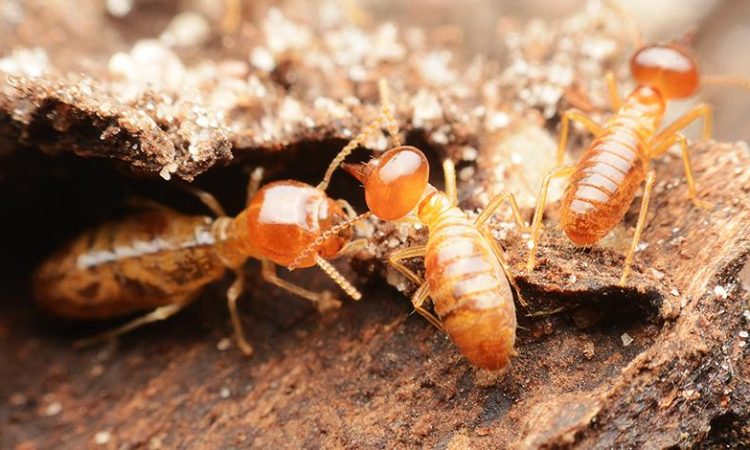
- Subterranean and Formosan termites, both of which are active in this region
Humidity seeps into crawl spaces, wall cavities, and basements, softening wood over time and making it easier for termites to chew through. By the time visible damage appears, colonies may have been active for years.
Understanding Termite Season in Natchitoches
Many homeowners think of termites as a year-round nuisance, but there is a specific season when termite activity peaks and the risk to your home dramatically increases. In Louisiana, termite swarm season typically runs from late February through early summer.
During this time, reproductive termites — called swarmers or alates — leave their existing colonies to mate and establish new ones. You may notice them around windows, light fixtures, or near the foundation of your home. Finding swarmers inside your house is a serious warning sign that a colony may already be living within or directly beneath your structure.
Signs You May Already Have a Termite Problem
Many homeowners don’t realize they have termites until significant damage has already occurred. Here are the key warning signs to watch for:
- Mud tubes along your foundation, walls, or crawl space beams — these are tunnels termites build to travel between the soil and wood
- Hollow-sounding wood when you tap on baseboards, door frames, or floors
- Discarded wings near windows, doors, or vents after a swarm
- Bubbling or uneven paint that looks similar to water damage but has no moisture source
- Frass (termite droppings) that look like small piles of sawdust or coffee grounds near wood surfaces
- Doors or windows that suddenly stick or become hard to open, caused by wood warping from termite activity
If you notice any of these signs, don’t wait. Termite damage is not covered by most standard homeowners insurance policies, meaning repairs come entirely out of your pocket.
The Cost of Doing Nothing
Let’s talk numbers. The National Pest Management Association estimates that termites cause over $5 billion in property damage across the United States every year. Unlike storm or fire damage, termite destruction happens silently and slowly — which makes it even more dangerous because most homeowners don’t notice it until the damage is structural.
In historic homes common throughout Natchitoches, the cost of replacing original wood beams, flooring, and framing can be staggering. Repair estimates for moderate to severe termite damage often run between $3,000 and $15,000 or more, depending on the extent of the infestation and how long it went undetected.
Compare that to the relatively modest cost of annual professional termite inspections and prevention treatments, and the math becomes very clear.
Beyond Termites: Other Pest Threats Natchitoches Homeowners Face
While termites deserve serious attention, they’re not the only pest problem in this region. Natchitoches homeowners regularly deal with a variety of insects and wildlife that can invade properties and cause both structural damage and health concerns.
Fire Ants
Fire ants are one of the most aggressive and widespread pests in Louisiana. They build large underground colonies and can deliver painful, venomous stings. Fire ant mounds often appear in lawns, near foundations, and around electrical equipment, where they can cause mechanical damage. Children and pets are especially vulnerable to fire ant attacks.
Mosquitoes
With Cane River Lake and numerous bayous and wetland areas surrounding Natchitoches, mosquitoes are a persistent seasonal problem. Beyond the discomfort of bites, mosquitoes in Louisiana can carry West Nile virus and other pathogens. Controlling standing water and using professional mosquito treatment programs significantly reduces exposure.
Rodents
Mice and rats are a year-round problem in Louisiana and are particularly active during cooler months when they seek warmth inside homes. Rodents contaminate food, chew through electrical wiring (a leading cause of house fires), and carry diseases including hantavirus and salmonella. Signs of rodent activity include droppings, gnaw marks, and scratching sounds inside walls.
Cockroaches
American cockroaches — large reddish-brown insects commonly called palmetto bugs — are especially common in South and Central Louisiana. They thrive in warm, humid environments and can spread bacteria including E. coli and Salmonella. German cockroaches, a smaller indoor species, are notorious for rapid reproduction and resistance to many over-the-counter treatments.
Why Professional Pest Control Is the Smart Investment
DIY pest control products sold at hardware stores are designed to address surface-level problems. They might kill the pests you can see, but they rarely eliminate the source of an infestation. Termite colonies can have hundreds of thousands to millions of individuals, and they operate out of sight inside soil and wood. A can of spray won’t get you there.
Professional termite control Natchitoches services use a combination of proven methods including liquid soil treatments, termite baiting systems, and structural inspections to eliminate existing colonies and create barriers that prevent new ones from establishing. Licensed pest control technicians know exactly where to look, what products to use at what concentrations, and how to protect your home without putting your family or pets at risk.
Regular inspections also give you documentation — particularly important if you plan to sell your home. In Louisiana, real estate transactions typically require a termite clearance letter, and having a history of professional inspections puts you in a much stronger position.
What to Expect From a Professional Pest Inspection
If you’ve never had a professional pest inspection, here’s what the process generally looks like:
- A licensed technician will walk the entire perimeter of your home, examining the foundation, siding, and any exterior wood
- They’ll check crawl spaces, attics, basements, and utility entries for signs of pest activity or conducive conditions
- Interior inspections cover baseboards, window and door frames, kitchens, bathrooms, and utility rooms
- You’ll receive a detailed written report of findings along with treatment recommendations
- For termites specifically, they may recommend soil treatment, bait stations, or both depending on your property’s risk profile
The whole process typically takes between one and two hours for an average-sized home.
FAQ
Q: How often should Natchitoches homeowners schedule termite inspections? A: Pest control professionals generally recommend annual termite inspections for homes in Louisiana. Given the state’s high humidity and active termite populations, once a year is considered the minimum. Homes with prior termite history or older wood construction may benefit from inspections every six months.
Q: Can termites damage a home that has a concrete slab foundation? A: Yes. Subterranean termites can enter through cracks in concrete slabs, expansion joints, and around plumbing penetrations. A slab foundation does not make your home termite-proof. They can still access wood framing, door frames, and interior wood elements through these entry points.
Q: Is it safe for children and pets when a pest control treatment is applied? A: Licensed pest control companies use products that are approved by the EPA and applied according to safety guidelines. Technicians will advise you on any re-entry times after treatment. In most cases, liquid termite treatments applied to soil around the exterior of the home pose minimal risk to household members when applied correctly.
Q: What’s the difference between subterranean termites and Formosan termites? A: Both are found in Louisiana, but Formosan termites are a particularly aggressive invasive species. They form larger colonies, consume wood faster, and are harder to control than native subterranean termites. Formosan termite infestations are more commonly found in South Louisiana but have been documented across the state.
Q: Will homeowners insurance cover termite damage? A: In most cases, no. Standard homeowners insurance policies typically exclude termite damage because it’s considered a preventable maintenance issue. This makes preventive professional pest control all the more important — it’s one of the few situations where the cost of prevention is clearly far less than the cost of a claim you can’t even file.