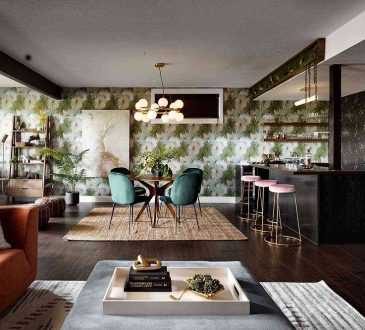
Luxury hotel rooms offer an undeniable sense of calm, elegance, and effortless comfort. The moment you walk into a high-end suite, the stresses of travel evaporate, replaced by a feeling of serene indulgence. This experience is not an accident. Hotel interior designers meticulously craft these spaces using specific principles of lighting, spatial flow, high-grade textiles, and symmetrical arrangements intended to soothe the senses and elevate relaxation.
Recreating that sophisticated, five-star atmosphere at home does not require a complete architectural renovation or an unlimited budget. By understanding the core design choices that make hotel suites feel so luxurious, you can transform your personal bedroom into a peaceful sanctuary that offers the same pampering escape every single night.
The Bed: Perfecting the Central Anchor
In any luxury hotel suite, the bed serves as the absolute focal point of the room. It is designed to look inviting, pristine, and extraordinarily comfortable from the moment you step through the door.
Investing in Crisp, All-White Linens
High-end boutique hotels almost exclusively use high-thread-count white bedding. White sheets convey a sense of clinical cleanliness, freshness, and understated luxury.
-
Fabric Choice: Opt for 100 percent long-staple cotton, such as Egyptian or Pima cotton, in a percale weave for a crisp, cool feel or a sateen weave for a silky, smooth texture.
-
Taut Layering: Practice the art of hospital corners when tucking in your top sheet. A tightly pulled top sheet gives the bed a tailored, structured appearance.
-
Plush Foundations: Layer a featherbed mattress topper beneath your fitted sheet to add an extra cushion layer that mimics the feeling of sleeping on a cloud.
Mastering the Art of Pillow Architecture
Luxury hotel beds never look sparse or flat. They feature a deliberate arrangement of structural and decorative pillows that add height and richness.
-
Sleeping Pillows: Place two firm king or queen pillows against the headboard, followed by two softer sleeping pillows stacked neatly in front.
-
Euro Shams: Position two to three large square Euro shams against the headboard to add vertical dimension and create a plush backdrop for reading.
-
Accent Pillows: Finish the look with a single lumbar pillow or a subtle textured accent pillow placed dead center. Avoid over-crowding the bed with excessive throw pillows that clutter the space.
Statement Headboards and Bed Frames
A tall, padded headboard grounds the bed visual footprint and provides an immediate architectural impact.
-
Upholstery: Choose tailored upholstery fabrics like velvet, linen, or high-grade leather with clean button-tufting or sleek nailhead trim.
-
Proportions: Ensure the headboard extends high enough to remain visible even when all decorative pillows are propped upright.
Lighting Architecture: Layered and Ambient
One of the key differences between an average bedroom and a hotel suite is the approach to lighting. Luxury suites avoid reliance on a single harsh overhead light, opting instead for multi-layered, controllable light sources.
Creating Three Levels of Illumination
A well-designed room incorporates ambient, task, and accent lighting to adapt seamlessly to different times of day.
-
Ambient Lighting: Flush-mount ceiling fixtures, modern chandeliers, or hidden cove lighting provide soft overall illumination for general room use.
-
Task Lighting: Wall-mounted reading lamps with adjustable arms installed beside the bed allow one person to read without illuminating the entire room.
-
Accent Lighting: Concealed LED strip lighting placed beneath nightstands, behind the headboard, or inside closets adds a subtle, warm glow that elevates the room’s evening atmosphere.
Symmetry in Bedside Fixtures
Hotel design relies heavily on symmetry to create a sense of visual order and balance.
-
Install matching bedside tables paired with identical tall table lamps or hanging pendant lights on either side of the bed.
-
Keep cords hidden using cord covers or furniture with built-in wire management to preserve clean visual lines.
Color Palettes and Material Selection
The color scheme of a luxury hotel suite is carefully chosen to promote tranquility and visual harmony. Loud, chaotic color combinations are avoided in favor of sophisticated, tonal palettes.
Monochromatic and Neutral Schemes
Monochromatic palettes rely on varying tones, shades, and tints of a single hue, creating an elegant backdrop that feels airy and uncluttered.
-
Soothing Tones: Warm taupe, soft ivory, slate gray, muted sage, and warm beige serve as excellent foundational colors for walls and large furniture.
-
Contrast through Accent Colors: Introduce depth using rich, deep tones like navy blue, charcoal, or chocolate brown in smaller accessories, such as throw blankets or curtain trims.
Incorporating High-End Textures
When color is kept refined and quiet, texture takes center stage to keep the space from feeling flat or sterile.
-
Tactile Contrasts: Pair smooth silk or satin accent pillows with rich velvet drapery, polished wooden surfaces, and matte metallic accents.
-
High-Quality Metals: Choose warm, elevated metal hardware like brushed brass, polished nickel, or warm bronze for drawer pulls and lamp bases.
Window Treatments: Total Light Control and Drama
Hotel suites prioritize uninterrupted sleep, which requires window treatments that block out morning light completely while adding vertical drama to the room.
Double-Layered Drapery Systems
Luxury rooms use a two-part window treatment system mounted on ceiling tracks to maximize function and aesthetics.
-
Sheer Curtains: The inner layer features light-diffusing sheer curtains that provide privacy during daylight hours while letting soft natural light filter through.
-
Blackout Drapes: The outer layer consists of heavy, floor-to-ceiling blackout drapes that block 100 percent of outside light and dampen exterior noise.
Hanging Drapery Correctly
-
Floor-to-Ceiling Length: Mount curtain rods right at the ceiling line or crown molding rather than directly above the window frame. Let the fabric extend all the way down to touch the floor precisely.
-
Generous Width: Ensure curtain panels are wide enough to extend beyond the window frame when opened, making the windows appear significantly larger than they are.
Seating and Functional Furniture Zones
A luxury suite is more than just a place to sleep; it is a multi-functional space designed for reading, relaxing, working, and enjoying coffee.
The Dedicated Sitting Area
If space permits, incorporate a dedicated seating area away from the bed to create a multi-zoned suite experience.
-
Place a plush armchair accompanied by a small side table and a dedicated floor lamp in a corner to form a private reading nook.
-
Position a low, upholstered bench at the foot of the bed to provide an elegant spot for putting on shoes or placing evening attire.
Streamlined Surfaces and Furniture
Uncluttered surfaces are essential to maintaining a high-end feel. Choose furniture pieces that offer concealed storage to keep daily belongings out of sight.
-
Use nightstands with deep drawers to hide charging cables, books, and personal items.
-
Incorporate an elegant dresser or built-in wardrobe that keeps clothing fully organized and out of the main visual field.
The Senses: Fragrance, Sound, and Touches
Luxury hotel experiences engage all five senses. Elevating your bedroom requires paying attention to subtle atmospheric details beyond visual design.
Signature Room Fragrance
Scents trigger immediate emotional and physiological responses. High-end hotels often utilize custom signature scents dispersed through discreet diffusers.
-
Select subtle, calming essential oil scents like lavender, white tea, sandalwood, cedarwood, or bergamot.
-
Use reed diffusers or high-quality room sprays to maintain a consistent, gentle fragrance level without overpowering the room.
Curated Amenities and Trays
Small, thoughtful touches make a bedroom feel instantly hospitable and luxurious.
-
Bedside Refreshment: Keep a small glass carafe and tumbler set on your nightstand for late-night water.
-
Styled Trays: Organize small items on your dresser or vanity using marble, leather, or wooden trays to turn loose objects into intentional displays.
-
Fresh Floral Elements: Place a single vase with fresh greenery, eucalyptus, or white orchids on a vanity or side table to add natural vitality.
Frequently Asked Questions
What thread count is best for achieving a true hotel-quality bed feel?
A thread count between 300 and 500 made from 100 percent long-staple cotton yields the best balance of softness, breathability, and durability. Thread counts higher than 500 often use multi-ply yarns that make the fabric heavier and less breathable without actually increasing genuine quality.
How can I make my small bedroom feel like a spacious hotel suite?
To maximize space, stick to a light, monochromatic neutral color palette to make walls recede visual lines. Hang floor-to-ceiling blackout drapes high above window frames, install wall-mounted swing-arm lamps instead of large bedside table lamps, and choose floating or leggy furniture pieces that leave floor space visible.
What is the ideal bulb temperature for bedroom lighting?
Warm white light measuring between 2700K and 3000K on the Kelvin scale is ideal for bedrooms. This warm color temperature reduces eye strain, mimics candle-light warmth, promotes melatonin production, and creates an inviting, cozy atmosphere in the evenings.
How do I prevent white bedding from looking dingy over time?
Wash white linens every seven to ten days in warm water with a mild liquid detergent. Avoid using chlorine bleach regularly, as it causes yellowing on natural cotton fibers over time. Instead, use an oxygen-based brightener or add half a cup of baking soda to the wash cycle and distilled white vinegar to the rinse cycle.
What type of flooring works best for a hotel-inspired bedroom?
Plush, wall-to-wall carpeting or large, thick area rugs placed over hardwood floors work best. The goal is to ensure your feet land on a warm, soft, and sound-dampening surface the moment you step out of bed.
How can I conceal unsightly electrical cords and electronics?
Choose nightstands with built-in power outlets or rear cord cutouts. Use adhesive cable clips to route lamp and charger cords neatly down the back leg of furniture rather than letting them hang freely against the wall. Gather loose wires behind media units using flexible cable sleeves or dedicated management boxes.
Is an upholstered headboard difficult to maintain over time?
Not if properly cared for. Vacuum upholstered headboards monthly using a soft brush attachment to remove dust and dander. Treat any accidental stains immediately with a mild upholstery cleaner or a mixture of gentle dish soap and water, testing it on a small, hidden spot first. Choose stain-resistant or performance fabrics for maximum longevity.